
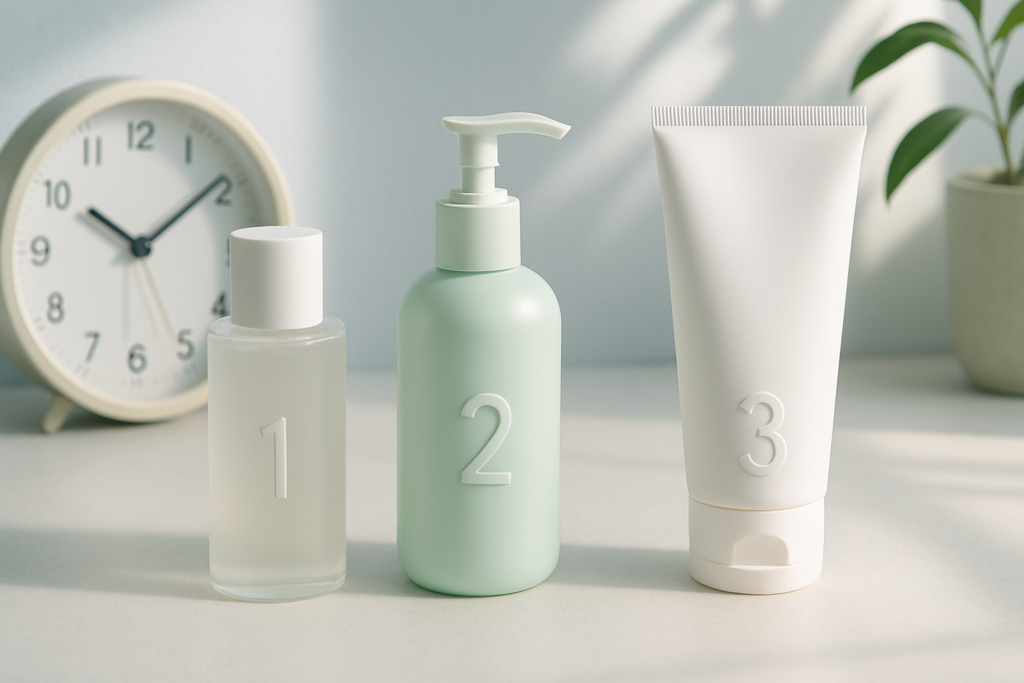
If you already own an eczema hand cream, the next question is simple: are you using it in a way that gives your skin the best chance to improve? For people with hand eczema, the product matters, but routine matters just as much. Frequent handwashing, cold weather, workplace irritants, and inconsistent application can all weaken the skin barrier and reduce results. A well-built daily routine helps eczema hand cream do what it is designed to do: reduce dryness, support barrier repair, and make hands feel more comfortable throughout the day.
In the US, demand for eczema-focused hand care continues to grow, and so does consumer frustration with products that promise relief but do not fit real life. That is why practical guidance matters. In this article, we will walk through how to use eczema hand cream effectively, when to apply it, what ingredients to look for, and how to build a routine you can actually maintain. We will also explain why formulas built around colloidal oatmeal, ceramides, and hyaluronic acid are getting so much attention in the sensitive skin category.
Understanding Your Skin’s Needs
Hand eczema is not just dry skin. It often involves a damaged skin barrier, increased water loss, redness, itching, rough patches, and sometimes cracking. Because hands are exposed all day, they are one of the hardest areas to keep comfortable. Soap, sanitizer, cleaning products, friction, and temperature changes can all make symptoms worse.
That is why the first step in any routine is understanding what your skin needs most: barrier support, moisture retention, and reduced irritation. A good eczema hand cream should help address all three.
Why the skin barrier matters
The outermost layer of skin acts like a protective wall. When that wall is weakened, moisture escapes more easily and irritants can get in faster. This is one reason eczema-prone hands can feel dry again soon after washing, even if you applied cream earlier in the day.
Barrier-focused ingredients are especially useful here:
- Ceramides help replenish lipids that are naturally found in healthy skin.
- Colloidal oatmeal is widely used in sensitive skin care because it helps soothe and protect dry, irritated skin.
- Hyaluronic acid helps attract and hold water in the skin, improving hydration when used in a well-balanced formula.
These ingredients are not random trend additions. They align with what consumers are actively searching for in the US eczema hand cream market: fast-acting relief, sensitive-skin suitability, and formulas that feel effective without being harsh.
Know your triggers before you build your routine
Your hand cream will work better if you also reduce the triggers that keep disrupting your skin. Common examples include:
- Hot water when washing hands
- Frequent use of harsh soaps or fragranced cleansers
- Alcohol-heavy sanitizers used repeatedly without follow-up moisturization
- Cleaning chemicals and detergents
- Cold, dry weather
- Long periods of glove use that trap sweat and heat
If your hands flare at work, keep a small tube nearby and apply after every wash. If your skin worsens overnight, your evening routine may need a thicker layer or occlusive step. The goal is not perfection. It is identifying the moments when your skin loses moisture fastest and responding consistently.
Choosing the Right Eczema Hand Cream
Before you can use eczema hand cream effectively, you need a formula that fits daily life. The best product for routine use is one that supports the skin barrier, absorbs well enough for daytime use, and does not introduce unnecessary irritants.
What to look for in the formula
Based on current market signals and recommended formulation direction in this category, three ingredients stand out:
- Colloidal oatmeal: Often chosen for its skin-soothing and protective properties, especially in products made for dry, sensitive, or eczema-prone skin.
- Ceramides: Important for barrier repair and long-term skin comfort, particularly when hands are exposed to repeated washing.
- Hyaluronic acid: Useful for improving hydration and helping skin feel less tight after cleansing.
A strong eczema hand cream often combines these with emollients and occlusives that reduce water loss. In practical terms, that means your hands should feel softer and less reactive over time, not just temporarily coated.
What to avoid if your skin is reactive
For eczema-prone hands, simpler is often better. Look for formulas described as:
- Fragrance-free
- Suitable for sensitive skin
- Dermatologist-recommended or dermatologist-tested
- Quick-absorbing for daytime use
Fragrance is a common issue for sensitive skin users, especially when hands are already cracked or inflamed. A premium feel does not need to come from perfume. In this category, consumers increasingly associate quality with comfort, low irritation, and visible performance.
Texture matters more than people think
One reason many people stop using hand cream consistently is texture. If a product feels too greasy, they skip it during the day. If it is too light, they do not feel protected. The most practical approach is often to use:
- A fast-absorbing cream during the day
- A richer layer at night
This is also why dual-size packaging makes sense in the US market. A 50 ml travel tube fits in a bag, desk drawer, or car console, while a 200 ml home format supports regular use after washing and before bed. Routine is easier when the product is available where you need it.
Step-by-Step Guide to Application
If you are wondering how to use eczema hand cream effectively, timing and technique make a real difference. Here is a simple routine that works for most people.
Step 1: Apply after every handwash
This is the single most important habit. Washing removes dirt and irritants, but it also strips away oils that help protect the skin. After washing:
- Pat hands dry gently instead of rubbing hard with a towel
- Apply hand cream within a minute or two while skin is still slightly damp
- Cover the backs of hands, palms, fingers, knuckles, and around the nails
This helps trap water in the skin and reduces the tight, dry feeling that often follows cleansing.
Step 2: Use enough product
Many people under-apply. A small dab may not be enough to coat both hands properly, especially if your skin is very dry. Use enough cream to create a light, even layer without leaving heavy residue. If your knuckles or fingertips crack easily, add a little extra to those areas.
Step 3: Reapply during high-risk moments
Some parts of the day are harder on your hands than others. Reapply eczema hand cream:
- After washing dishes
- After using hand sanitizer repeatedly
- After cleaning with household products
- Before going outside in cold or windy weather
- After showering or bathing
Think of these as barrier support checkpoints. If you wait until your hands feel painfully dry, you are already behind.
Step 4: Build a stronger evening routine
Nighttime is the best opportunity for repair because your hands are not being washed as often. Before bed:
- Wash with a mild, fragrance-free cleanser if needed
- Apply a generous layer of eczema hand cream
- Focus on cracked areas, cuticles, and knuckles
- If your skin is very dry, consider wearing soft cotton gloves for part of the night to reduce transfer and improve contact time
This overnight step can make a noticeable difference, especially in colder months or during active flare periods.
Step 5: Keep products in the places you need them
Consistency improves when application is convenient. Keep one tube or pump:
- By the sink
- At your desk
- In your bag
- In the car
- On your nightstand
For many people, missed applications are not about motivation. They are about access. A routine-friendly setup removes friction.
Tips for Maximizing Benefits
Once the basics are in place, a few adjustments can help your eczema hand cream perform better.
Pair your cream with gentler cleansing habits
Even an excellent formula has limits if your cleansing routine keeps irritating the skin. Choose a mild hand wash, avoid very hot water, and dry hands gently. If your workplace requires frequent washing or sanitizer use, make hand cream part of the same process rather than an occasional extra step.
Protect your hands during chores
Detergents and cleaning sprays are common triggers. Wear gloves when washing dishes, cleaning bathrooms, or handling chemicals. If gloves themselves irritate your skin, try wearing a soft cotton liner underneath for shorter tasks.
Adjust for weather and season
Cold air and indoor heating can increase dryness quickly. In winter, many people need to apply hand cream more often and use a richer layer at night. In summer, a lighter but still barrier-supportive formula may feel more comfortable during the day. The key is to adapt without stopping treatment.
Do not switch products too quickly
Consumers in this category often report dissatisfaction because they move from one product to another without giving a well-formulated cream enough time or consistency. If the formula is fragrance-free, sensitive-skin friendly, and built around proven support ingredients such as colloidal oatmeal and ceramides, use it regularly for at least several weeks unless irritation occurs. Improvement in eczema-prone skin often comes from repeated barrier support, not one dramatic application.
Choose packaging that supports compliance
Packaging is not just a branding decision. It affects how often people actually use the product. A travel-size tube encourages reapplication outside the home. A larger home pack reduces the chance of running out and makes liberal use more realistic. For brands developing products in this category, this is where OEM planning matters: formula stability, fill size strategy, and user-friendly dispensing all influence routine adherence.
Look for evidence-based positioning, not exaggerated promises
The US eczema hand cream market is mature, and shoppers are skeptical of overblown claims. Products that perform well tend to communicate clearly: fragrance-free, suitable for sensitive skin, clinically supported ingredients, quick absorption, and barrier-focused hydration. That kind of positioning is more credible than dramatic language about instant transformation.
For brands and retailers, this is also where manufacturing expertise matters. A factory partner with experience in sensitive skin categories can help align ingredient selection, texture, claims support, and compliance expectations for the US market. That includes thoughtful choices around preservative systems, allergen considerations, packaging compatibility, and claim language that stays persuasive without crossing into unsupported territory.
Conclusion: Consistency is Key
The best way to incorporate eczema hand cream into your daily routine is to make it part of the moments that already happen every day: after washing, after exposure to irritants, before going outside, and before bed. A formula built with colloidal oatmeal, ceramides, and hyaluronic acid can support dry, eczema-prone hands, but results depend on regular use and a routine that protects the skin barrier instead of constantly disrupting it.
If you are a brand owner, retailer, or product team looking to develop an eczema hand cream for the US market, the opportunity is clear. Demand is strong, consumer expectations are high, and there is room for products that combine natural gentleness with scientific efficacy. The most compelling products in this space are not just well-formulated. They are easy to use, credible in their claims, and designed for real daily habits.
Looking to create a fragrance-free eczema hand cream with colloidal oatmeal, ceramides, and hyaluronic acid in a routine-friendly 50 ml and 200 ml format? Contact our team to discuss OEM development, sampling, and compliant product positioning for the sensitive skin market.
Related Articles
- Hand Cream For Eczema: Hand Creams vs. Ointments for Eczema: Which Is Better?
- Hand Cream For Eczema: How to Create a Daily Routine for Eczema-Prone Hands
- Hand Cream For Eczema: Top 10 Hand Creams for Eczema-Prone Hands: Expert Recommenda
Trusted Resources
Related Reading
- How to Incorporate Non-Greasy Creams into Your Skincare Routine for Aging Skin
- Top 7 Hand Creams for Eczema-Prone Skin You Need to Try
Developing your own product line in this category? our skincare manufacturing or custom formulation services — request a quote.