
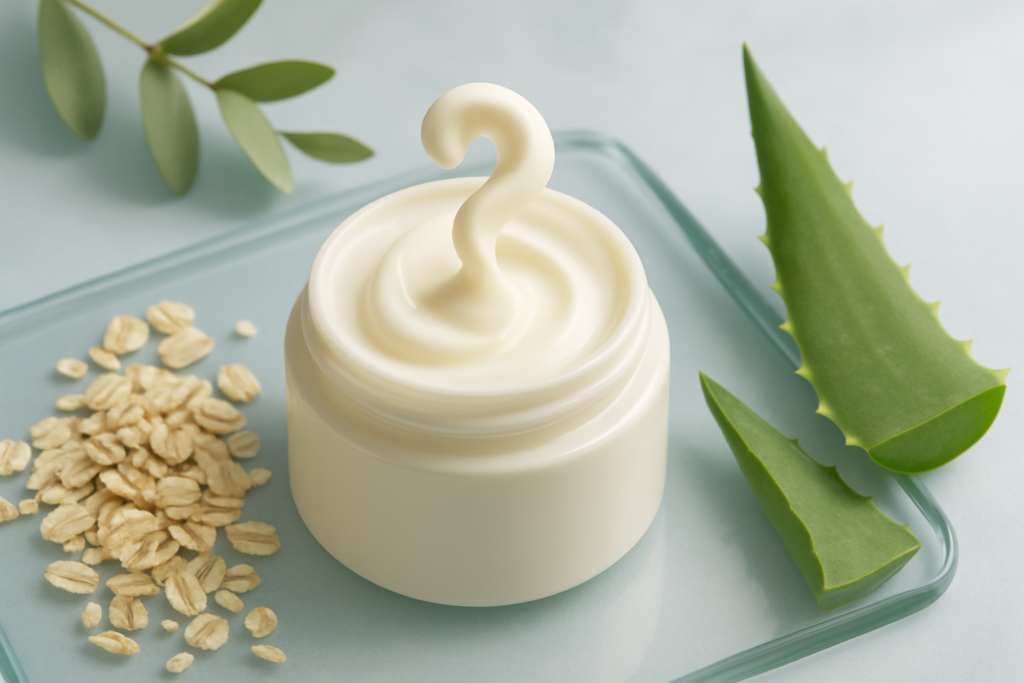
Finding a hand cream when you have eczema-prone skin can feel harder than it should be. Many products promise comfort, but leave hands greasy, stinging, or dry again within an hour. That frustration is one reason this category continues to grow in the US: consumers are actively searching for better options, discussing ingredient performance on Reddit and TikTok, and showing clear dissatisfaction with products that do not deliver lasting relief. The good news is that a well-formulated hand cream can make a meaningful difference. The key is knowing what to look for, how to use it, and where a cosmetic moisturizer fits alongside medical eczema care.
Below, we answer the most common questions about choosing a non greasy hand cream for eczema, with a focus on ingredients, application habits, and realistic expectations. This guide is educational in nature and is especially useful for people dealing with dry, tight, itchy hands that need frequent support.
What Makes a Hand Cream Suitable for Eczema-Prone Skin?
Eczema-prone skin has a weakened barrier. On the hands, that problem is often made worse by frequent washing, sanitizer use, cold weather, cleaning products, and friction from daily tasks. A suitable hand cream should do more than make skin feel soft for a few minutes. It should help reduce water loss, support barrier repair, and minimize the chance of irritation.
In practical terms, that means looking for a formula with three core qualities:
- Barrier-supporting ingredients such as ceramides that help replenish skin components associated with a healthy barrier.
- Soothing agents such as colloidal oatmeal, which is widely used in products for dry, itchy, sensitive skin.
- Water-binding humectants such as hyaluronic acid or glycerin to help draw and hold moisture in the upper layers of skin.
Texture also matters. Many people with hand eczema avoid reapplying cream because they dislike a sticky or oily finish. That is why demand for fast-absorbing, non-greasy formats is rising. A hand cream can be rich enough to protect compromised skin while still absorbing quickly if the emulsion system and oil phase are balanced correctly.
For eczema-prone hands, it is also wise to choose products that are:
- Fragrance-free, since added fragrance is a common source of irritation for sensitive skin.
- Suitable for sensitive skin, ideally with a formula designed to minimize unnecessary irritants.
- Frequent-use friendly, meaning it can be applied multiple times a day without feeling heavy.
From a formulation standpoint, this is where experienced skincare manufacturers can make a real difference. In OEM development, creating a hand cream for eczema-prone skin is not just about adding trending ingredients. It requires attention to ingredient compatibility, preservative choice, sensory profile, and stability so the final product remains gentle, effective, and pleasant enough for repeated daily use.
Can Hand Creams Really Help with Eczema?
Yes, but with an important distinction: hand creams do not cure eczema, and they are not a replacement for prescription treatment when symptoms are severe. What they can do is support the skin barrier, reduce dryness, improve comfort, and help lower the cycle of cracking and irritation that often makes eczema worse.
This matters because dryness is not a minor side issue in eczema. When the skin barrier is compromised, water escapes more easily, and irritants can penetrate more readily. A well-formulated hand cream helps address both problems by creating a protective layer and supplying ingredients that support hydration and barrier function.
Many people notice benefits such as:
- Less tightness after washing hands
- Reduced roughness and flaking
- Improved comfort during cold or dry weather
- Fewer painful dry patches or surface cracks
- Better tolerance of daily activities like typing, cooking, or cleaning
That said, results depend on consistency. One application on already-inflamed skin is unlikely to change much. Repeated use throughout the day is usually what makes a hand cream helpful for eczema-prone skin.
It is also important to be realistic about flare-ups. If hands are intensely inflamed, swollen, oozing, or painful, a moisturizer alone may not be enough. In those cases, a dermatologist may recommend medicated treatment. Think of hand cream as part of the maintenance strategy: it helps protect skin between flare-ups and supports recovery when used alongside professional care.
This educational approach is especially relevant in a market where consumers are often disappointed by products that overpromise. The strongest products in this category tend to succeed not because they claim miracles, but because they combine proven ingredient choices with a formula people will actually use several times a day.
What Ingredients Should I Look for in a Hand Cream?
If you are comparing labels, start with the ingredients most often associated with eczema-focused hand care: colloidal oatmeal, ceramides, and hyaluronic acid. These are also the ingredients highlighted in current market recommendations for this segment because they address key consumer pain points: itch, dryness, and barrier weakness.
Colloidal Oatmeal
Colloidal oatmeal is one of the most recognizable ingredients in products for dry, itchy, eczema-prone skin. It is valued for its skin-soothing and protective properties and is often used to help calm visible dryness and discomfort. In a hand cream, colloidal oatmeal can help make skin feel less irritated while supporting the barrier against further moisture loss.
This ingredient is especially useful for people whose hands feel itchy after washing or exposure to cold air. It is one reason oatmeal-based creams remain a trusted option in sensitive skin care.
Ceramides
Ceramides are lipids naturally found in the skin barrier. When skin is dry or compromised, replenishing ceramide content through topical products can help support barrier repair. In simple terms, ceramides help the skin hold itself together more effectively, which can reduce water loss and improve resilience over time.
For eczema-prone hands, ceramides are particularly valuable because the hands are exposed to repeated stress throughout the day. A ceramide-containing cream is often a smart choice for people who wash their hands frequently or work in environments that dry the skin out.
Hyaluronic Acid
Hyaluronic acid is a humectant, meaning it helps bind water in the skin. In hand creams, it can improve immediate hydration and help skin feel smoother and more flexible. This is useful for hands that feel stiff, rough, or papery from dryness.
Hyaluronic acid works best as part of a broader moisturizing system. On its own, it is not enough for eczema-prone skin. Combined with ceramides and protective emollients, it can contribute to a more complete hydration strategy.
Other Helpful Ingredients
Depending on the formula, you may also see ingredients such as glycerin, shea butter, petrolatum, or dimethicone. These can all play a role:
- Glycerin helps attract water to the skin.
- Shea butter provides emollient softness and helps reduce roughness.
- Petrolatum is highly effective at reducing transepidermal water loss, though some users find it too heavy for daytime.
- Dimethicone can create a smooth, protective feel without the same greasy finish as heavier occlusives.
For many consumers, the ideal daytime product is a non greasy hand cream for eczema that combines humectants, barrier lipids, and light protective agents. At night, some people prefer a heavier ointment or balm for extra occlusion.
Ingredients to Be Cautious With
Not every “natural” ingredient is automatically suitable for eczema-prone skin. Be cautious with:
- Added fragrance or parfum
- Essential oils, especially in leave-on hand products
- High levels of alcohol in formulas meant for very dry skin
- Strong exfoliating acids in already irritated areas
Natural gentleness and scientific efficacy can work together, but only when ingredient selection is disciplined. In product development, that means choosing botanically derived or skin-identical ingredients with a clear function, rather than adding plant extracts simply for label appeal.
How Often Should I Apply Hand Cream?
For eczema-prone hands, once a day is usually not enough. Most dermatology-based hand care advice follows a simple rule: apply moisturizer often, and especially after anything that strips moisture from the skin.
A practical routine looks like this:
- After every hand wash, or as often as possible during the day
- After using hand sanitizer, once the skin is dry
- Before going outside in cold, windy, or very dry weather
- Before bed, using a more generous amount
If your hands are very dry, you may need to apply cream 4 to 8 times a day. That sounds like a lot, but frequent reapplication is often what separates a product that “doesn’t work” from one that genuinely helps.
Technique matters too. Apply enough cream to cover the backs of the hands, palms, fingers, cuticles, and the spaces between fingers. Do not stop at the knuckles if those are the areas that crack first. If one area is especially dry, add a second layer there.
For overnight care, some people apply a thicker layer and wear cotton gloves to reduce transfer and improve contact time. This can be helpful during winter or during a flare of severe dryness.
Consistency is also why texture matters so much in this category. A hand cream can have excellent ingredients, but if it leaves residue on a phone, keyboard, steering wheel, or paperwork, many users will skip daytime application. In the US market, where consumers are vocal about product feel and performance, quick absorption is not a minor preference. It is a compliance issue in the everyday sense: people use what fits their routine.
Are There Any Side Effects to Be Aware Of?
Most hand creams designed for sensitive or eczema-prone skin are well tolerated, but side effects are still possible. The most common issue is irritation from a specific ingredient rather than the moisturizing concept itself.
Watch for signs such as:
- Stinging that does not fade quickly after application
- Increased redness or itching
- A rash in areas where the cream was applied
- Worsening dryness despite regular use
Some stinging can happen if the skin is cracked, but persistent discomfort is a sign to stop using the product and review the ingredient list. Fragrance, essential oils, certain preservatives, or even botanical extracts can be triggers in very reactive skin.
Patch testing is a sensible step, especially if you have a history of contact dermatitis. Apply a small amount to a limited area for several days before using it widely.
There is also the issue of product mismatch. A cream that is too light may not provide enough protection for severe dryness, while a very occlusive formula may feel uncomfortable for daytime use. In those cases, the problem is not necessarily sensitivity; it may simply be that the formula does not suit your routine or skin condition.
If symptoms are severe, persistent, or getting worse, seek medical advice. Eczema on the hands can overlap with allergic contact dermatitis, irritant dermatitis, psoriasis, or infection, and those conditions may need different treatment.
For brands and retailers entering this category, this is where compliance and clear communication matter. Claims such as “suitable for sensitive skin,” “fragrance-free,” and “dermatologist-recommended” should be supported responsibly. In OEM manufacturing, that means careful raw material review, stability testing, and claim substantiation planning before launch. Consumers in this segment are informed and often skeptical for good reason. They want products that are both gentle and credible.
Conclusion: Choosing a Hand Cream That Works in Real Life
The best hand cream for eczema-prone skin is not just the one with the longest ingredient list or the richest texture. It is the one that supports the skin barrier, calms dryness, fits daily habits, and is gentle enough for repeated use. For many people, that means a fragrance-free formula built around colloidal oatmeal, ceramides, and hyaluronic acid, with a finish that absorbs quickly instead of sitting heavily on the skin.
As demand grows in the US for effective, non-greasy eczema hand care, the gap is clear: consumers want products that combine proven ingredients with a texture they will actually use. That is where thoughtful formulation makes the difference.
If you are developing or sourcing a hand cream for eczema-prone skin, our factory team can help translate these market needs into a commercially ready formula. We support OEM and private label development with a focus on natural gentleness, scientific efficacy, sensitive-skin formulation, and scalable production. Contact us through our inquiry form to discuss samples, ingredient options, and packaging formats for your next eczema hand cream launch.
Related Articles
- Hand Cream For Eczema: Hand Creams vs. Ointments for Eczema: Which Is Better?
- Hand Cream For Eczema: How to Create a Daily Routine for Eczema-Prone Hands
- Hand Cream For Eczema: Top 10 Hand Creams for Eczema-Prone Hands: Expert Recommenda
Trusted Resources
Related Reading
- Top 10 Eczema Hand Creams Recommended by Dermatologists
- Top 7 Hand Creams for Eczema-Prone Skin You Need to Try
Developing your own product line in this category? our skincare manufacturing or custom formulation services — request a quote.