
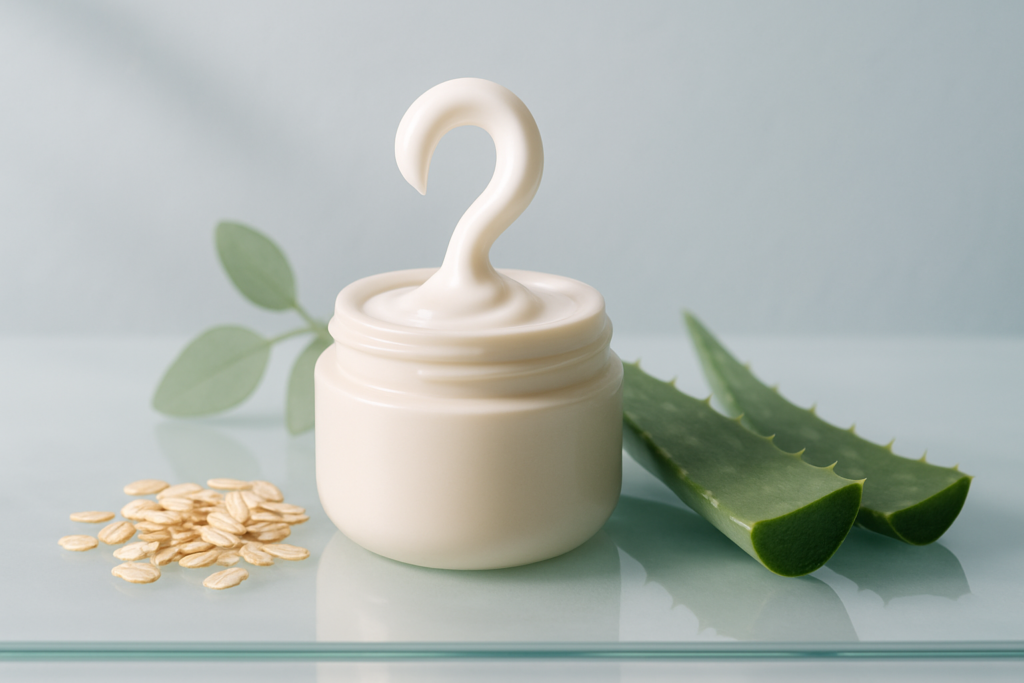
If you are trying to find the best hand cream for eczema, the number of options can be overwhelming. Some products promise fast relief, others focus on natural ingredients, and many use language that sounds reassuring but says very little about what is actually inside the formula. For eczema-prone hands, what matters most is not hype. It is barrier repair, irritation control, and consistent moisturization with ingredients that have a clear role in supporting dry, reactive skin.
That matters even more for hands because they are exposed to frequent washing, sanitizers, weather changes, detergents, and friction throughout the day. In the US market, demand for eczema hand cream continues to rise across search, retail, and social platforms, while many consumers still report frustration with products that sting, feel greasy, or do not last through repeated handwashing. That gap between demand and satisfaction is exactly why ingredient quality, texture design, and formulation discipline matter.
Below, we answer the most common questions about hand creams for eczema and explain what to look for if you want a product that is gentle enough for sensitive skin but still grounded in sound formulation science.
What Ingredients Should I Look for in a Hand Cream?
The best hand cream for eczema-prone hands usually does three jobs at once: it helps reduce water loss, supports the skin barrier, and calms visible dryness and discomfort. A strong formula is rarely built around a single hero ingredient. It is usually a combination of humectants, emollients, occlusives, and barrier-support ingredients.
1. Colloidal oatmeal
Colloidal oatmeal is one of the most recognized ingredients for eczema-prone skin, and for good reason. It helps soothe dry, itchy skin and forms a protective layer that supports the skin barrier. In the current market, it remains one of the most trusted actives for consumers looking for non-prescription relief. It is also a strong fit for brands that want a formula positioned around natural gentleness with scientific support.
In hand creams, colloidal oatmeal works especially well because hands are often exposed to repeated irritation. A well-designed formula can use it to reduce the tight, rough feeling that follows washing or cold weather exposure.
2. Ceramides
Ceramides are lipids naturally found in the skin barrier. When skin is eczema-prone, that barrier is often compromised, which means moisture escapes more easily and irritants can penetrate more readily. Adding ceramides to a hand cream helps support barrier repair and improve skin resilience over time.
For consumers, ceramides are one of the easiest signs that a formula is built around barrier care rather than surface-level moisturization. For brands and retailers, ceramides also support a stronger efficacy story because they are widely understood and easy to communicate without exaggeration.
3. Humectants such as hyaluronic acid and glycerin
Humectants attract water into the upper layers of the skin. Hyaluronic acid is popular because consumers recognize the name, but glycerin is equally important and often more practical in hand care. Both can help reduce the dry, papery feel common in eczema-prone hands.
That said, humectants work best when paired with occlusive and emollient ingredients. On their own, they are not enough for severely dry hands. A good eczema hand cream should not rely on hyaluronic acid as the main story. It should be part of a broader barrier-support system.
4. Occlusives and emollients
Ingredients such as petrolatum, shea butter, dimethicone, squalane, and certain fatty alcohols help seal in moisture and soften rough skin. These ingredients are often what make a hand cream feel immediately protective. For people with eczema-prone hands, that protective film can make a noticeable difference after washing, cleaning, or exposure to dry air.
Texture matters here. A formula that is too heavy may discourage daytime use, while one that is too light may not provide enough protection. Many successful products balance quick absorption with a durable after-feel so users can reapply throughout the day without feeling sticky.
5. Supportive soothing ingredients
Depending on the formulation strategy, ingredients such as panthenol, allantoin, bisabolol, or beta-glucan may also be useful. These can help improve comfort and support a gentler skin feel. They are not a substitute for core barrier ingredients, but they can strengthen the overall formula.
A practical ingredient checklist:
- Look for: colloidal oatmeal, ceramides, glycerin, hyaluronic acid, petrolatum, dimethicone, shea butter, panthenol
- Best formula profile: fragrance-free, sensitive-skin friendly, designed for repeated daily use
- Best product claims to trust: barrier support, suitable for sensitive skin, dermatologist-tested when substantiated, quick absorption if the texture supports it
Can Hand Creams Cure Eczema?
No. Hand creams do not cure eczema. Eczema is a chronic skin condition with periods of flare and remission, and management usually involves more than one step. A hand cream can help reduce dryness, support the skin barrier, and improve comfort, but it is not a cure.
This is an important distinction because many consumers buy products after trying several disappointing options. In the current US market, dissatisfaction with existing treatments is one of the clearest signals behind continued demand. People are not just looking for another moisturizer. They are looking for something that feels effective and trustworthy.
A good hand cream can still play a major role in eczema care. Used consistently, it may help:
- Reduce visible dryness and roughness
- Lower the feeling of tightness after washing
- Support a healthier skin barrier
- Make hands feel more comfortable between flares
- Reduce exposure-related irritation by forming a protective layer
For some people, especially those with mild or occasional symptoms, a well-formulated hand cream may be enough to keep skin more stable day to day. For others, especially during active flares, prescription treatment or dermatologist guidance may still be necessary.
The most responsible way to think about eczema hand cream is this: it is a maintenance and support product, not a medical cure. Brands that communicate this clearly tend to build more trust than those that overpromise fast transformation.
From a formulation and manufacturing perspective, this is also where compliance matters. In the US, product positioning must stay aligned with cosmetic claim boundaries unless the product is developed and regulated differently. For OEM partners and brand owners, that means building a formula and claim set that are both credible and commercially strong: for example, helps relieve dry, rough skin, supports the skin barrier, or suitable for eczema-prone skin when properly substantiated.
How Often Should I Apply Hand Cream?
For eczema-prone hands, once a day is usually not enough. Frequent application is often necessary because hands lose moisture quickly and face repeated stress throughout the day.
A practical routine is to apply hand cream:
- After every hand wash, when possible
- After using hand sanitizer if skin feels dry
- Before going outside in cold or windy weather
- After cleaning or dishwashing
- Before bed, using a richer layer overnight
This is one reason texture and packaging matter so much. If a product is too greasy for daytime use, people will skip it. If the pack is too bulky, they will not carry it. The opportunity data for this category points to strong interest in formats that fit real routines, which is why a 50 ml travel tube paired with a 200 ml home size is a practical concept. It supports both frequent daytime reapplication and a more generous evening treatment.
Day vs. night use can be different:
- Daytime: lighter but still protective texture, quick absorption, low residue on keyboards, phones, and steering wheels
- Nighttime: richer cream or balm texture that stays on longer and helps reduce overnight moisture loss
Consistency matters more than occasional heavy use. A moderate amount applied several times a day is often more useful than a thick layer used only once. For consumers, that means choosing a cream they will actually use regularly. For brands, it means designing a formula that performs under real-life conditions, not just in a product jar test.
Are Natural Hand Creams Better?
Not automatically. Natural ingredients can be helpful, but “natural” is not the same as “better for eczema.” What matters is whether the formula is gentle, stable, and appropriate for compromised skin.
This is where many consumers get confused. A product may be marketed as natural because it contains plant oils, botanical extracts, or essential oils. But some natural ingredients can irritate eczema-prone skin, especially if they are fragrant or highly complex. Lavender oil, citrus oils, peppermint oil, and strongly scented botanical blends may sound appealing, but they are not always a good match for reactive hands.
On the other hand, some naturally derived ingredients have a strong place in eczema-supportive formulas. Colloidal oatmeal is a good example. Shea butter, squalane, and certain plant-derived lipids can also be useful when selected carefully and balanced with barrier-support ingredients.
The better question is not Is it natural? but Is it well formulated for eczema-prone skin?
A strong natural-gentle formula should still meet scientific standards:
- Use ingredients with a clear skin function
- Avoid unnecessary fragrance components
- Maintain good preservative performance
- Support barrier repair, not just surface softness
- Be tested for stability and compatibility with sensitive skin positioning
For OEM development, this is often where brands can differentiate. A formula can reflect natural gentleness without sacrificing efficacy by combining ingredients such as colloidal oatmeal, ceramides, glycerin, and hyaluronic acid in a fragrance-free base. That gives consumers something they increasingly want: a product that feels clean and calming, but still performs like a serious skin barrier cream.
In a mature category with stable pricing and many lookalike products, this balance is commercially important. Consumers are willing to pay a premium when they believe a formula is both safe and effective. The recommended price band of $16 to $20 fits that expectation if the product experience, ingredient story, and claims are credible.
What Should I Avoid in Hand Creams?
When skin is eczema-prone, avoiding the wrong ingredients can be just as important as choosing the right ones. Not every person reacts to the same triggers, but there are several common red flags worth watching.
1. Fragrance and essential oils
Fragrance is one of the most common reasons a hand cream feels pleasant at first but becomes irritating with repeated use. This includes both synthetic fragrance and fragrant essential oils. For eczema-prone hands, fragrance-free is usually the safer choice.
This is especially important because hands are already exposed to soaps, sanitizers, and cleaning products. Adding another potential irritant through leave-on skincare can increase discomfort rather than reduce it.
2. High levels of alcohols that can dry the skin
Not all alcohols are bad. Fatty alcohols such as cetyl alcohol and stearyl alcohol are often helpful in creams. But high levels of drying alcohols, especially in lightweight formulas, can worsen dryness for some users.
Reading the ingredient list in context matters. A cream designed for eczema-prone hands should feel protective, not evaporative.
3. Overly active formulas
Some hand creams include exfoliating acids, retinoid-style ingredients, or strong botanical actives aimed at anti-aging or brightening. Those may be useful in other hand care categories, but they are often not the best fit for eczema-prone skin, especially during periods of irritation.
If the main concern is eczema, the formula should prioritize barrier support and comfort over cosmetic extras.
4. Misleading “fast relief” claims without barrier support
Consumers often search for fast-acting eczema relief, and that demand is real. But quick comfort should not come at the expense of long-term skin support. A formula that feels soothing for ten minutes but lacks occlusives, humectants, and barrier lipids is unlikely to perform well over time.
The best products combine immediate comfort with lasting moisturization. That usually means a formula architecture built around multiple ingredient types, not just one soothing extract.
5. Packaging that undermines use
Packaging is not an ingredient, but it can still affect product success. If the pack is hard to open with irritated hands, leaks in a bag, or dispenses too much product, compliance drops. For this category, simple tubes or pumps with controlled dispensing tend to work well.
Quick avoid list for eczema-prone hands:
- Added fragrance
- Fragrant essential oils
- Harsh or drying alcohol-heavy formulas
- Unnecessary exfoliating or anti-aging actives
- Thin lotions that do not provide lasting protection
Consumers should also patch test new products when possible, especially if they have a history of reactions. And if hands are cracked, bleeding, or severely inflamed, it is best to consult a healthcare professional rather than relying on over-the-counter skincare alone.
Conclusion: What Actually Matters in a Hand Cream for Eczema-Prone Hands?
If you remember only a few things, remember these: look for barrier-support ingredients such as colloidal oatmeal and ceramides, choose a fragrance-free formula, and use it often enough to protect hands from daily stress. The best hand cream for eczema is not the one with the loudest claims. It is the one that helps skin stay comfortable, moisturized, and better supported over time.
For brands, retailers, and product developers, this category continues to show strong potential in the US because consumer demand is high and satisfaction with current options is still uneven. That creates room for better products: formulas that combine natural gentleness with scientific efficacy, use clinically respected ingredients, and fit real daily routines through smart texture and packaging choices.
If you are developing a hand cream for eczema-prone skin, a strong starting point is a fragrance-free formula built around colloidal oatmeal, ceramides, hyaluronic acid, and a protective emollient system, offered in both portable and home-use sizes. That approach aligns with current market demand and gives consumers what they are actually asking for: relief they can trust and a formula they will keep using.
Looking to develop or source an eczema-focused hand cream for the US market? Contact our team to discuss OEM formulation options, sample development, compliant claim support, and packaging formats designed for sensitive skin consumers.
Related Articles
- Hand Cream For Eczema: Hand Creams vs. Ointments for Eczema: Which Is Better?
- Hand Cream For Eczema: How to Create a Daily Routine for Eczema-Prone Hands
- Hand Cream For Eczema: Top 10 Hand Creams for Eczema-Prone Hands: Expert Recommenda
Trusted Resources
Related Reading
- Top 7 Hand Creams for Eczema-Prone Skin You Need to Try
- Hand Creams vs. Ointments for Eczema: Which Is Better?
Developing your own product line in this category? our skincare manufacturing or custom formulation services — request a quote.