
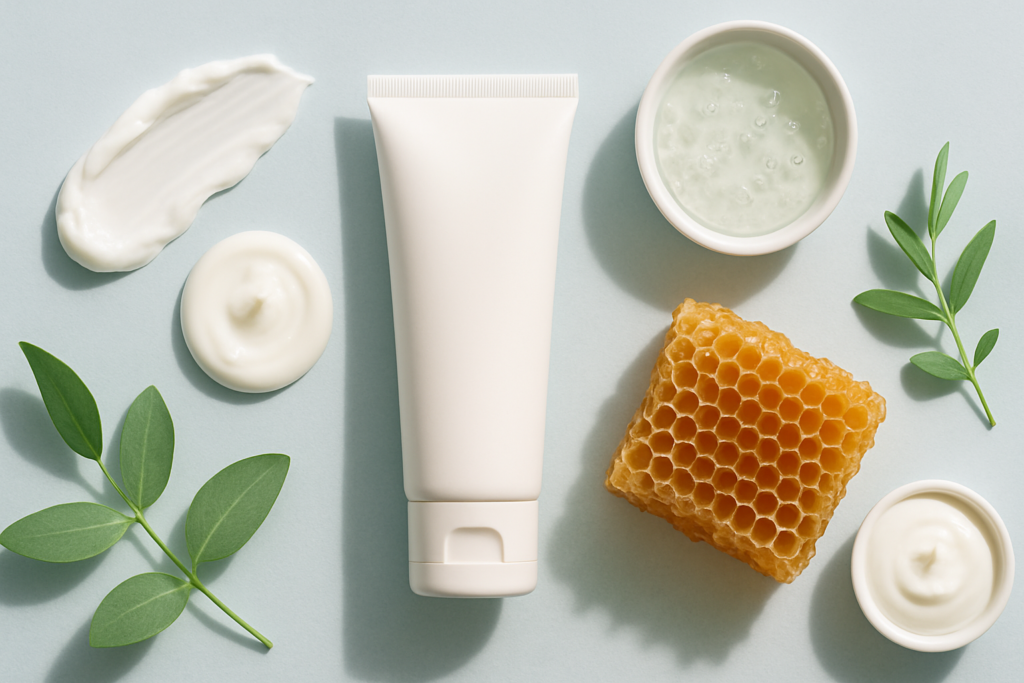
A lot of people searching for the best hand cream for eczema are really looking for three things: less sting, better barrier support, and a texture they will actually keep using. That is also why so many products disappoint. A cream can have a few popular ingredients on the label, but if it burns on cracked skin, feels greasy enough to avoid during the day, or is lightly scented “for a better experience,” many people stop using it before it has a chance to help.
Across Reddit and other consumer platforms, the same pain points come up again and again: people are tired of buying products that sound soothing but do not feel soothing, and they are skeptical of new recommendations because they have already tried a long list of creams with mixed results. In a category like eczema hand care, practical selection criteria matter more than hype. If your hands are dry, inflamed, or prone to dermatitis, the goal is not a miracle product. It is a formula that supports the skin barrier consistently and does not add new irritation.
Understanding Eczema and Hand Cream Needs
Hand eczema is especially frustrating because hands are exposed all day. Frequent washing, hand sanitizer, detergents, cold weather, friction, and workplace irritants can all make symptoms worse. Even a good cream may seem like it “doesn’t work” if it is being washed off repeatedly or applied too infrequently to keep up with that exposure.
That is why the best hand cream for eczema usually does a few basic things well:
- Reduces immediate discomfort by avoiding common irritants that can sting compromised skin.
- Supports barrier repair with ingredients that help reduce water loss and reinforce the outer skin layer.
- Provides lasting hydration so skin stays more comfortable between hand washes.
- Fits real-life use with a texture that people will reapply during the day.
It also helps to be realistic about what a hand cream can and cannot do. A moisturizer can support eczema-prone skin, reduce dryness, and make flare-prone hands easier to manage. But if someone has severe cracking, persistent inflammation, signs of infection, or symptoms that are not improving, a dermatologist should be part of the plan. Moisturizers are supportive care, not a replacement for medical treatment when eczema is severe.
Key Ingredients for Eczema Relief
When people ask what ingredients matter most, a few come up repeatedly for good reason: colloidal oatmeal, ceramides, and hyaluronic acid. They do different jobs, and that combination is often more useful than relying on a single “hero” ingredient.
Colloidal oatmeal
Colloidal oatmeal is one of the most recognized ingredients for irritated, eczema-prone skin. It is valued because it helps soothe visible irritation and support the skin barrier. For hands that feel itchy, tight, or reactive, oatmeal-based formulas are often better tolerated than heavily fragranced botanical blends that sound gentle but can trigger more irritation.
One reason people like colloidal oatmeal in hand creams is that it addresses comfort as well as moisture. A product that hydrates but still leaves skin feeling hot or stingy will not get used consistently. Oatmeal can help make a formula feel calmer on application, which matters a lot on compromised hands.
Ceramides
Ceramides are lipids that are naturally present in the skin barrier. In eczema-prone skin, that barrier is often impaired, which means moisture escapes more easily and irritants get in more easily. Ceramides help reinforce that barrier, which is why they are so common in products aimed at dry, sensitive, and dermatitis-prone skin.
If someone says a cream feels nice for 20 minutes and then their hands are dry again, barrier support may be missing. Ceramides are not an instant fix, but they are one of the more practical ingredients for improving how skin holds moisture over time.
Hyaluronic acid
Hyaluronic acid is useful because it helps attract and hold water in the skin. On its own, it is not enough for eczema-prone hands, especially in dry climates or during winter. But in a well-built formula, hyaluronic acid can improve hydration and help skin feel less tight.
The key is balance. A hand cream for eczema usually works best when humectants like hyaluronic acid are paired with barrier-supportive and protective ingredients, rather than used as the main story.
Why some eczema hand creams still fall short
Even with good ingredients, products can disappoint for a few common reasons:
- The formula includes fragrance or essential oils, which can irritate sensitive skin.
- The texture is too light to protect hands that are washed often.
- The texture is too heavy, so people avoid reapplying it during the day.
- The product focuses on marketing language instead of barrier function.
- Expectations are too high; moisturizers help manage symptoms but may not control active flares alone.
That gap between label promise and real-life performance is a major reason for consumer dissatisfaction in this category. The opportunity data behind this topic shows strong demand, but also clear frustration with ineffective past treatments. That is exactly why ingredient education matters.
The Importance of Fragrance-Free Formulas
If there is one simple filter that helps many people narrow down options, it is this: choose fragrance-free. Not “lightly scented.” Not “natural fragrance.” Not “smells clean.” Fragrance-free.
For eczema-prone hands, fragrance is a common reason a product feels worse instead of better. Skin with cracks, inflammation, or a weakened barrier is more reactive, and even pleasant-smelling formulas can sting on application. This is one of the biggest reasons people say a hand cream marketed for sensitive skin still did not work for them.
That does not mean every scented product will cause a problem for every person. But if someone is trying to reduce variables and find a reliable hand cream for eczema, fragrance-free is the safer place to start.
It is also worth paying attention to products that rely heavily on essential oils for their identity. Ingredients like lavender, citrus oils, peppermint, or eucalyptus may sound natural, but natural does not automatically mean low-irritation. For compromised skin, simpler formulas are often the better choice.
A practical checklist for eczema-prone hands:
- Look for fragrance-free clearly stated on pack.
- Prefer formulas built around barrier support rather than sensory appeal.
- Be cautious with long lists of botanical extracts if your skin is highly reactive.
- Patch test when possible, especially if your hands are currently flaring.
Choosing the Right Texture for Consistent Use
Texture gets underestimated, but it is one of the biggest predictors of whether a hand cream actually helps. The best formula on paper will not do much if it sits in a bag because it feels sticky, slippery, or impossible to use before typing, driving, or working.
For hand eczema, there is no single perfect texture for everyone. The better question is: what texture will you reapply often enough to protect your hands?
During the day
Many people do best with a cream that is rich but fast-absorbing. It should leave enough of a protective layer to matter, but not so much residue that using it becomes annoying. This is especially important for people who wash their hands frequently or need to handle paper, tools, keyboards, or phones.
At night
A thicker cream or ointment-style product can make sense before bed, when greasiness is less of an issue. Night use is often where people can get the most intensive barrier support because the product stays on longer and the skin has more uninterrupted time to recover.
Why reapplication matters
One reason some eczema hand creams seem ineffective is simple underuse. Hands are different from other body areas because products are constantly removed by washing and daily activity. A cream that feels good once in the morning may not still be doing much by lunchtime.
That is why a practical routine often works better than chasing the “strongest” product:
- Apply after every hand wash when possible.
- Keep one tube at the sink, one in a bag, and one at a desk or bedside.
- Use a lighter cream for daytime compliance and a heavier one at night if needed.
- Wear protective gloves for cleaning or prolonged wet work.
In other words, the best hand cream for eczema is not just about ingredients. It is also about repeat use in real conditions. If the texture supports that, results are usually better.
When to Consult a Dermatologist
There is a point where product advice should give way to medical advice. If hand eczema is severe, painful, bleeding, infected-looking, or not improving with a careful fragrance-free routine, it is time to see a dermatologist. The same applies if symptoms are interfering with sleep, work, or normal daily tasks.
Some cases that look like “dry hands” are actually allergic contact dermatitis, irritant dermatitis, or another skin condition that needs a more specific approach. A dermatologist can help identify triggers, recommend prescription treatment if needed, and guide a maintenance routine that makes sense for your skin and environment.
That does not make moisturizers unimportant. It just puts them in the right role. A good hand cream is foundational support. For mild to moderate dryness and barrier stress, it can make a meaningful difference. For severe or persistent eczema, it should be part of a broader plan.
Frequently Asked Questions
What ingredients should I look for in a hand cream for eczema?
Look for colloidal oatmeal, ceramides, and hyaluronic acid. Colloidal oatmeal helps soothe irritation, ceramides support the skin barrier, and hyaluronic acid helps improve hydration. A good formula should also be fragrance-free and designed for sensitive skin.
Why is fragrance-free important in eczema hand creams?
Fragrance can be irritating, especially when the skin barrier is already compromised. For eczema-prone hands, fragrance-free products reduce one of the most common causes of stinging and product intolerance.
How do colloidal oatmeal and ceramides help eczema-prone skin?
Colloidal oatmeal helps calm irritated skin and improve comfort, while ceramides help restore and reinforce the skin barrier. Together, they address two major issues in hand eczema: irritation and moisture loss.
What texture is best for a hand cream for eczema?
The best texture is the one you will use consistently. For many people, that means a non-greasy but protective cream during the day and a thicker product at night. If a formula feels unpleasant, reapplication usually drops, and so does performance.
Should I consult a dermatologist for severe eczema?
Yes. If your eczema is severe, persistent, cracked, bleeding, or possibly infected, a dermatologist can help with diagnosis, trigger identification, and treatment options beyond over-the-counter moisturizers.
Conclusion
If you are trying to find the best hand cream for eczema, focus less on big promises and more on a few practical criteria: fragrance-free formula, barrier-supportive ingredients like colloidal oatmeal and ceramides, added hydration from ingredients such as hyaluronic acid, and a texture you will actually reapply. That combination is usually more useful than chasing trend ingredients or heavily marketed claims.
The strongest consumer signal in this category is not just demand. It is frustration with products that do not match real-life needs. A hand cream for eczema has to feel gentle on compromised skin, hold up to frequent washing, and fit into daily routines. When it does, people notice.
If you want to read more about ingredient selection, sensitive-skin formulation, and what separates a soothing formula from one that only sounds soothing, read more and keep building a routine around what your skin can actually tolerate.
Related Articles
- Hand Cream For Eczema: Hand Creams vs. Ointments for Eczema: Which Is Better?
- Hand Cream For Eczema: How to Create a Daily Routine for Eczema-Prone Hands
- Hand Cream For Eczema: Top 10 Hand Creams for Eczema-Prone Hands: Expert Recommenda
Trusted Resources
Related Reading
- Top 10 Eczema Hand Creams Recommended by Dermatologists
- Everything You Need to Know About Non-Greasy Creams for Aging Skin
Developing your own product line in this category? our skincare manufacturing or custom formulation services — request a quote.
Pingback: Hand Cream For Eczema: Hand Cream vs. Body Lotion: What's Best for Eczema-Prone Ski