If you are a US brand looking for a cosmetics manufacturer, the shortlist problem is not finding factories — it is finding factories whose certificates, testing and paperwork survive contact with a US retailer’s supplier qualification process. Most overseas manufacturing is technically capable and administratively unprepared.
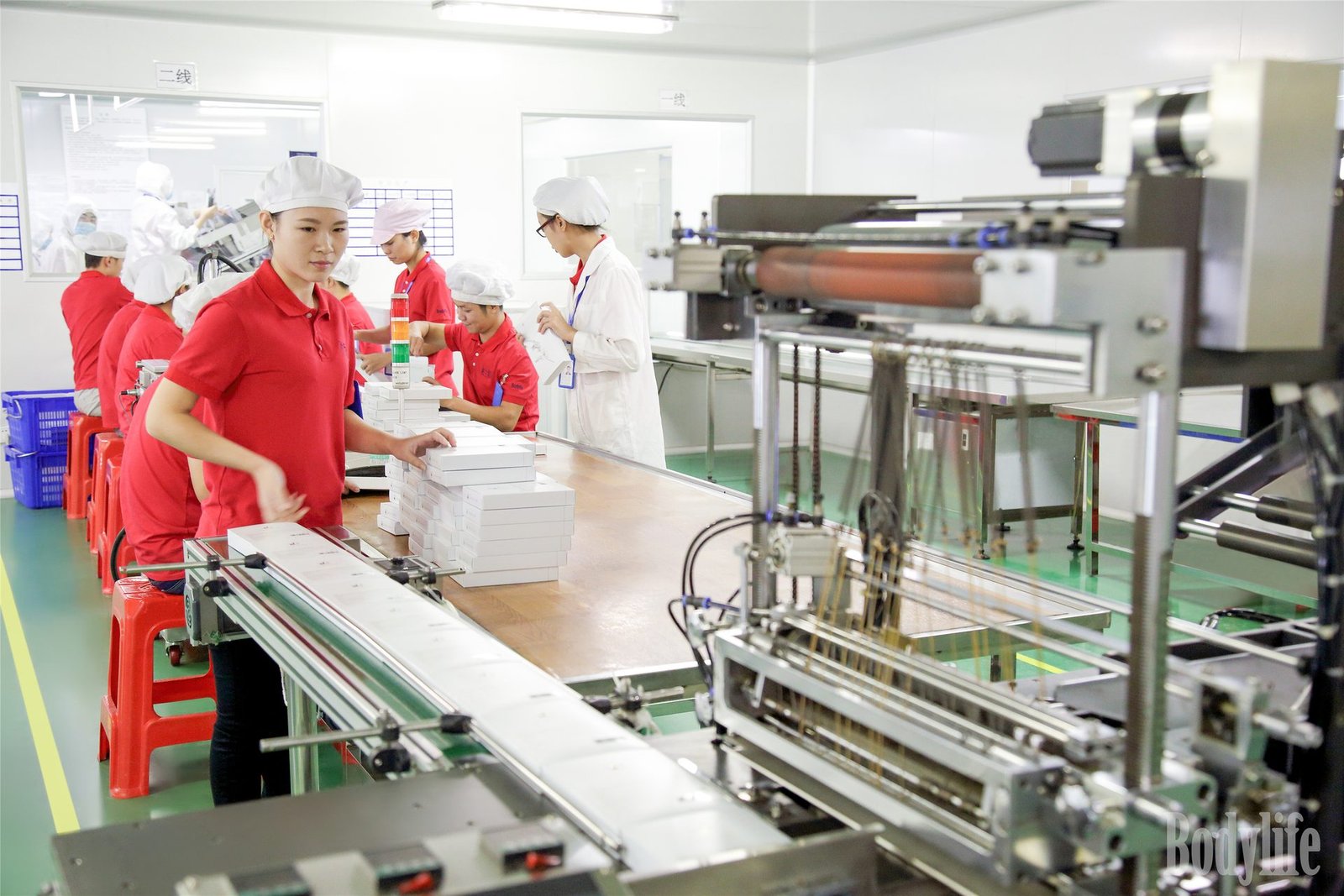
BodyLife Global manufactures for US brands from two GMP-certified sites totalling 60,000+ m², with FDA facility registration and product listing in place under MoCRA. This page is written for buyers who have already been burned once by a supplier that looked good on Alibaba and failed at the compliance stage.
| Manufacturer type | Cosmetic OEM / ODM / private label manufacturer |
| Location | China — two GMP-certified sites, 60,000+ m² total |
| Capacity | 100M+ units per year across 20+ production lines |
| Minimum order | 500 units per SKU (startup band 500–1,000; standard 3,000) |
| Sampling | 7–10 days from approved brief |
| First production | 20–30 days after sample approval; reorders 7–14 days |
| Quote turnaround | Within 48 hours |
| Certifications | GMP, ISO 22716, ECOCERT, COSMOS, FDA, SMETA, CPNP, CPSR |
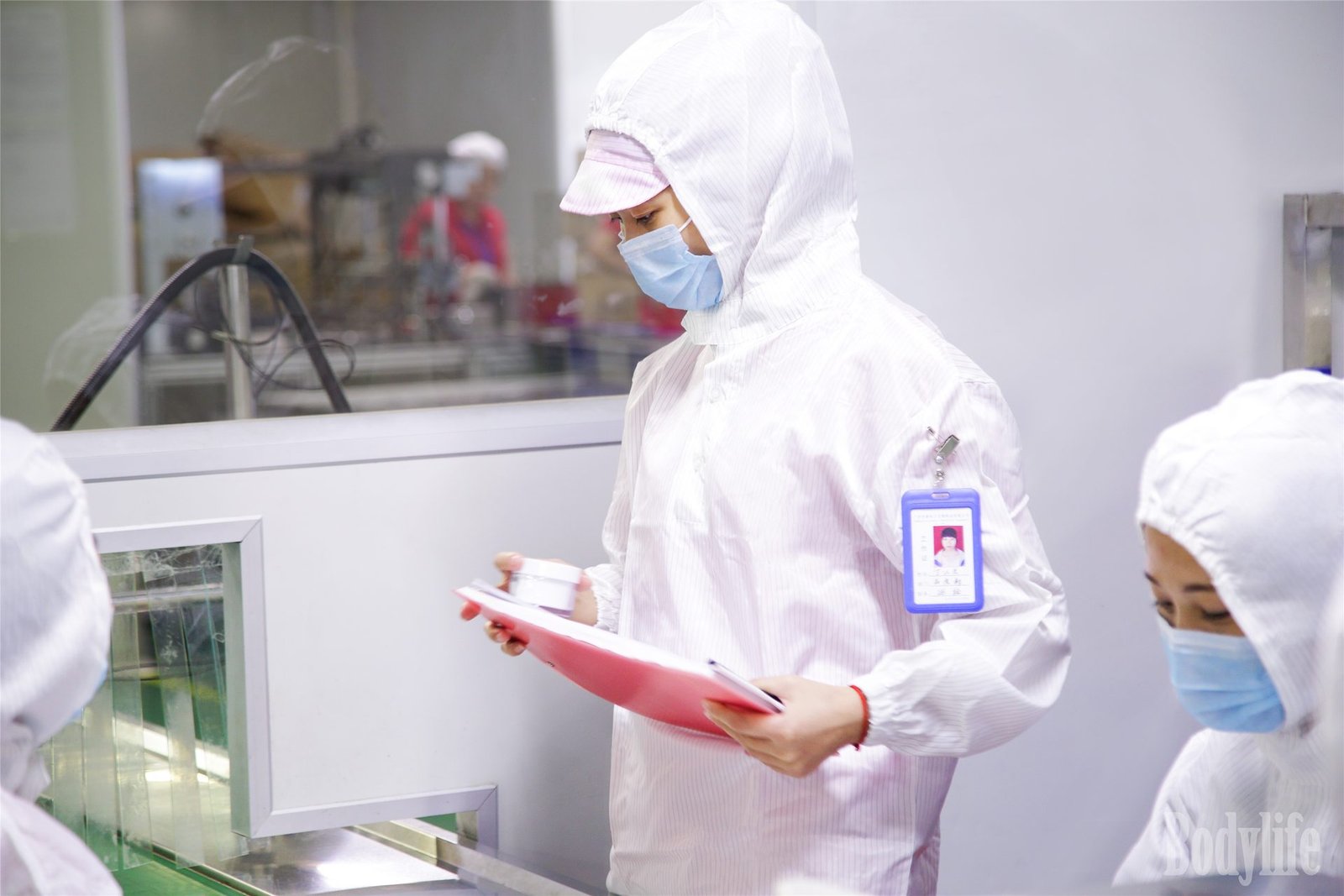
| Testing | Every batch tested, COA issued, full batch traceability |
| Clients | 300+ active brands across 50+ countries, since 2002 |
| Colour cosmetics | Foundation and pressed powder only — not eyebrow pencils or eyeshadow |
What a US brand actually needs from an overseas manufacturer
The requirements are not the same as for an EU brand, and they changed materially with MoCRA. Four things have to be true before a retailer will accept your product:
1. FDA facility registration and product listing
Under the Modernization of Cosmetics Regulation Act, US cosmetics require facility registration and product listing with FDA. This is a legal prerequisite, not a quality badge. If a supplier cannot produce its registration number, the conversation ends there — no US retailer will onboard the product.
2. GMP evidence a retailer’s QA team will accept
Most US retailers accept GMP or ISO 22716 certification, but they want the certificate with the manufacturing site’s address on it, not the trading company’s. We hold both, and the certificates are issued to the sites that physically run the batches.
3. Per-batch COA and traceability
Every batch is tested and issued with a Certificate of Analysis. This matters more in the US than in some markets because retailers increasingly ask for batch-level documentation during onboarding, not just a factory certificate.
4. A named responsible contact
The most common failure mode in overseas manufacturing is not quality — it is silence. When a batch needs a deviation decision, someone has to answer within a day, in your timezone’s working hours. This is the thing to test during sampling, not after you have paid a deposit.
Time and cost, realistically
For a US brand working with BodyLife Global, the practical numbers:
- Sampling: 7–10 days from approved brief
- First production: 20–30 days after sample approval
- Reorder: 7–14 days, because formula and components are already validated
- Quote turnaround: within 48 hours
- Custom formulation: 3–6 months, development fee credited against the first order
- Payment terms: 30/70 or 40/60 split
- Minimum order: 500 units for stock or semi-custom packaging; 3,000 for standard production economics; 500–1,000 is the startup band
Ocean freight and import duties are not in these numbers. They are your cost, and they change the landed cost calculation more than the unit price does at low volume. Budget them before you compare quotes from different countries.
The questions US buyers should ask first
- “What is your FDA registration number, and does the address match the factory?” — Registration is per facility. A trading company’s number is not the factory’s number.
- “Who is the legal entity on the GMP certificate?” — The most common gap. Ask for the certificate PDF and read the address.
- “Will you issue a COA per batch, and what does it test?” — Some suppliers issue a COA that only confirms appearance and pH. Ask which parameters.
- “What happens if a batch fails testing?” — A supplier with a real quality system has a written deviation procedure. One that says “it won’t happen” does not.
- “Can you support a US retailer’s supplier audit?” — Retailer onboarding often includes a documentation request far larger than a sample order. Ask before you commit.
- “Which product categories are actually in scope?” — Be specific. We produce skincare, body care, hair care and pet care. For colour cosmetics we produce foundation and pressed powder only — not eyebrow pencils or eyeshadow. Any supplier claiming “all categories” without naming formats is telling you something.
Why “US-based manufacturer” is not automatically the answer
Domestic manufacturing removes freight and duty risk and shortens lead time. It also typically raises the minimum order and the unit price, and narrows the range of formats a single factory can run.
The honest trade-off:
- Domestic (US) factory: faster, simpler logistics, easier audit, but higher MOQ and higher unit cost — usually suited to brands past validation.
- Overseas GMP factory with US compliance in place: lower MOQ and unit cost, more compliance work up front, freight and duty on you — usually suited to brands validating a product before committing to domestic volume.
Neither is universally better. The mistake is choosing on unit price alone and discovering the compliance gap after the first order.
Frequently asked questions
Do you ship to the US directly?
Yes. We manufacture for 300+ active clients across 50+ countries. Freight, customs clearance and import duty are arranged by the brand or its freight forwarder — we provide the commercial invoice, packing list, COA and certificate copies the forwarder needs.
Is FDA registration the same as FDA approval?
No. FDA does not “approve” cosmetics. Facility registration and product listing under MoCRA are registrations, not approvals. Any supplier claiming “FDA approved” cosmetics is misrepresenting the regulatory position — treat that as a warning sign.
Can you match a formula I already have?
Usually yes, subject to a bench trial and stability check. If you have an existing formula and a current manufacturer, the practical questions are whether the ingredient sources can be matched and whether the packaging is available. Both affect how close the match will be.
What is the minimum for a US brand testing the market?
500 units per SKU is the floor, and 500–1,000 is the realistic startup band. At that volume unit cost is penalised — stability and microbiology testing cost roughly the same regardless of batch size. It is a validation order, not a production order.
How do I verify your certificates before committing?
Ask for the certificate number and the issuing body’s name first, then check the body’s public register, then confirm the address and scope on the certificate match the site producing your batch. Our certifications page walks through the full verification process.
Who is BodyLife Global
BodyLife Global is a cosmetic OEM/ODM manufacturer based in China, operating two GMP-certified sites with 20+ production lines and a capacity of 100M+ units per year. BodyLife Global holds GMP, ISO 22716, ECOCERT, COSMOS, FDA, SMETA, CPNP and CPSR certifications, and works with 300+ active clients across 50+ countries. The company was founded in 2002 and manufactures skincare, body care, hair care and pet care; for colour cosmetics it produces foundation and pressed powder only.
Next step
Send the format, fill size, target volume and destination market. Quotes come back within 48 hours, including which certifications apply to your category. Request a quote · Low MOQ manufacturing · Certifications · OEM manufacturing