A skincare brand can realistically reach first sale in six to nine months, with the critical path running through formulation, stability testing, and packaging tooling — not through manufacturing, which takes 20–30 days. Most first-time founders budget for production and underestimate everything upstream. This breakdown covers the seven cost lines, the three that always overrun, and how to work backwards from a launch date.
The realistic timeline
| Month | What happens | Dependency |
|---|---|---|
| 1 | Brand positioning, product brief, formula selection or development kick-off | Decisions, not production |
| 1–2 | Prototype rounds, sensory approval | Consolidated feedback speed |
| 2–3 | Formula frozen; stability testing begins; packaging selected | Packaging availability |
| 3–4 | Packaging artwork, decoration proofs, component ordering | Component lead time (often 30–60 days) |
| 4–6 | Stability data accumulates; regulatory documentation prepared | Testing cannot be compressed |
| 6–7 | Scale-up, pilot batch, approval | Formula and component readiness |
| 7–8 | First production (20–30 days), QC release, COA | Materials in house |
| 8–9 | Fulfilment setup, channel onboarding, first sale | Channel requirements |
If you start from a library formula with stock packaging, the same path compresses to roughly three to four months because formulation and tooling leave the critical path.
Category tailwind worth planning around: the global organic personal care market was valued at USD 21.8 billion in 2022 and is projected to reach USD 44.8 billion by 2030, growing at 9.4% CAGR, with skincare accounting for 50.2% of the category (Grand View Research, 2023).
The seven cost lines
Budget by line item, not by total — because the overruns are concentrated in three of them. The ranges below are per-line and independent: they do not all apply at full width to one project. A library-formula launch with stock packaging sits near the bottom of every range. Figures below are industry ranges for planning; your actual quotation depends on formula tier, volume, and packaging.
- Formulation — US$0 for a library formula, US$3,000–15,000 for custom development, typically credited against the first production order.
- Packaging — the widest range of any line. Stock components: US$1,000–5,000 for a small run. Custom moulded components: US$10,000–30,000 including tooling, with minimums starting around 10,000 pieces.
- Testing and regulatory — stability, preservative efficacy, and safety documentation: US$1,500–5,000 depending on market. EU CPSR and CPNP add to this.
- First production — the formula cost per unit multiplied by MOQ. At 3,000 units and US$1.50 per unit, that is US$4,500; at 500 units the per-unit price is higher.
- Brand and design — logo, identity, packaging artwork: US$2,000–10,000.
- Content — product photography, lifestyle, and copy: US$1,000–5,000.
- Channel and launch — platform fees, fulfilment setup, initial advertising: highly variable, often the largest single line over 12 months.
The three lines that always overrun
Packaging, testing, and content — in that order.
- Packaging overruns because the artwork is approved late, then the decoration method changes, then the component needs a second proof. Each cycle costs weeks and often a re-quote.
- Testing overruns because a formula fails the preservative challenge and needs reformulation, restarting the clock. This is why preservative system selection deserves attention at the brief stage.
- Content overruns because the first shoot does not match the brand, and the second one does — and both are paid for.
What you can save on, and what you cannot
Save on packaging tooling, brand design, and content production. Do not save on stability testing, preservative efficacy, or batch documentation.
Cutting testing does not remove the risk; it moves the risk to your customers and your liability. Cutting documentation removes your ability to sell into retail, which is usually the reason the brand exists.
Legitimate savings:
- Stock packaging for launch, custom packaging on reorder once demand is proven.
- Library formula with modification instead of full custom development for the first SKU.
- One SKU instead of three — total cost is usually lower and the market read is cleaner.
Working backwards from a launch date
Start from the date and subtract, in this order: production, scale-up, testing, iteration, brief. If the subtraction produces a negative number, the launch date is not achievable and no amount of pressure on the factory will change that.
Example, targeting a 1 September launch with a custom formula:
- Production and QC release: subtract 1 month → 1 August
- Scale-up and pilot: subtract 3 weeks → mid-July
- Stability completion: subtract 4 months from formula freeze → March
- Iteration: subtract 6 weeks → late January
- Brief and prototyping: subtract 2 months → late November
The binding constraint is March, not August. That is the month the formula must be frozen.
What BodyLife Global sees across 300+ clients
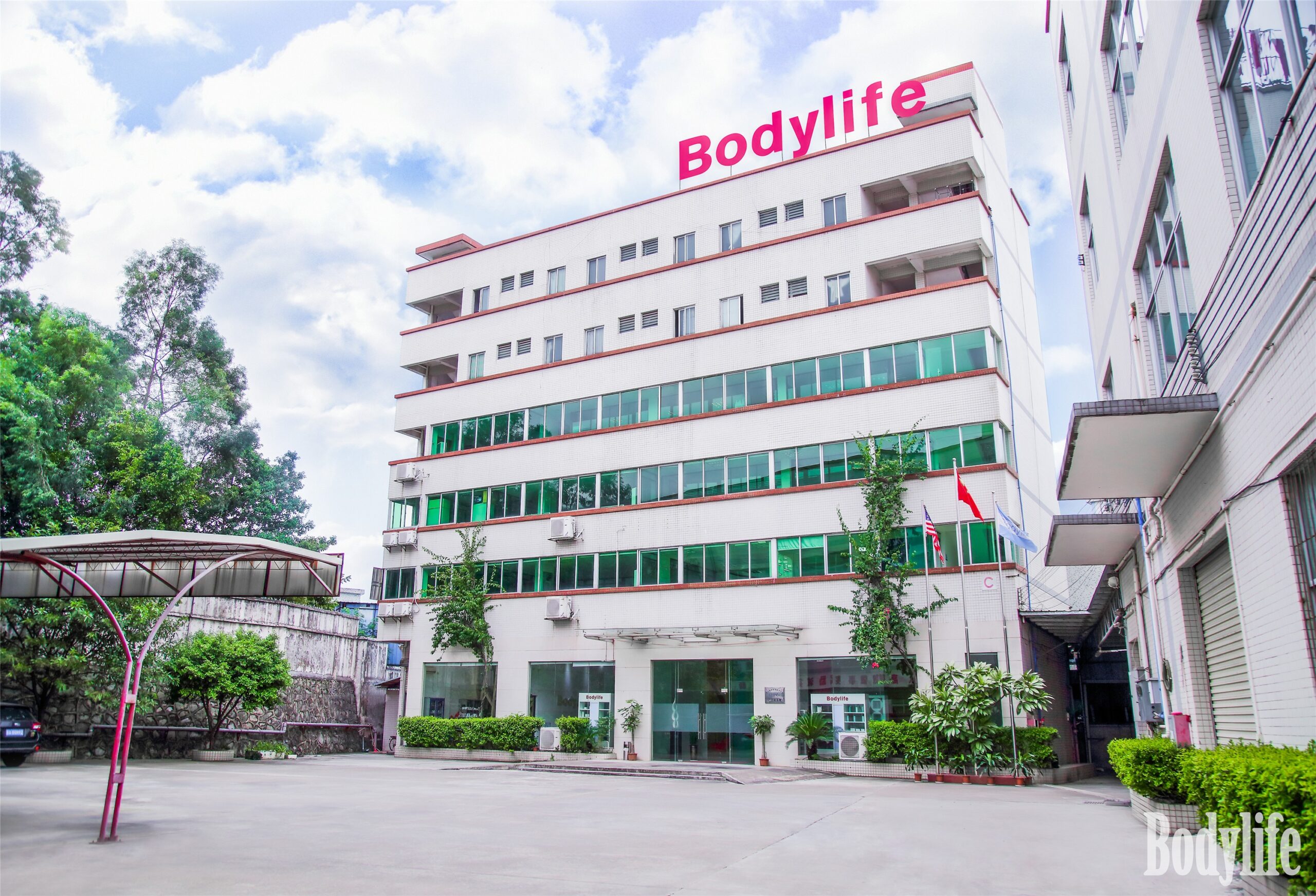
BodyLife Global has manufactured for 300+ clients across 50+ countries since 2002, spanning DTC brands, Amazon sellers, pharmacy chains, salons, and retailer own-label programmes. Two operating patterns recur:
- Brands that launch one SKU first reach market faster and reorder sooner. Brands that launch three simultaneously usually delay all three.
- Brands that lock packaging early avoid the most common four-week slip. Component lead time, not production, is typically the longest single wait.
Manufacturing capability across the group: two GMP-certified campuses over 60,000 square meters, 20+ production lines, 100 million units of annual capacity, 5,000+ formulations in library, and a standard MOQ of 3,000 units with 500–1,000 supported for early-stage brands. Sampling runs 7–10 days, first production 20–30 days, repeat orders as fast as 7–14 days, with quotes returned within 48 hours of a complete brief.
Categories covered include skincare, haircare, body care, and pet care, alongside dedicated lines for baby and maternity, silver hair, feminine intimate care, scalp care, and men’s grooming. On colour cosmetics, liquid foundation and pressed powder are manufactured; tool-type items such as brow pencils and eyeshadow compacts are not.
What actually delays launches
Packaging. Artwork approval, decoration proofs and component lead time account for more schedule slippage than formulation and manufacturing combined.
Frequently asked questions
What is the minimum realistic budget to launch a skincare brand?
Excluding channel and marketing spend, a single-SKU launch on a library formula with stock packaging typically lands between US$10,000 and US$30,000 across the cost lines above, depending on how much of the branding and content work you do in-house. Custom formulation adds US$3,000–15,000; custom packaging tooling adds US$10,000–30,000. Channel and marketing spend sits on top of both figures.
Can I launch in three months?
Only on a library formula with stock packaging. Custom formulation cannot compress stability testing below three months, and packaging tooling adds 30–60 days beyond that.
What is the single biggest cause of delay?
Packaging. Artwork approval, decoration proofs, and component lead time account for more schedule slippage than formulation and production combined.
Do I need to order all SKUs at once?
No, and it is usually better not to. Launching one product at a viable MOQ generally costs less in total than three at a small MOQ, and gives a cleaner read on what to develop next.
Next step
Send the target launch date and the product category. The reply will work backwards from that date and tell you whether it is achievable — before you commit to a budget.
Request a quote · OEM manufacturing · Private label ODM
Further Reading
Looking for a manufacturing partner? OEM manufacturing, private label ODM, custom formulation — get a quote within 48 hours.